Vape starter kit: the twelve month reading
The question of a first device is almost always answered with a spec sheet: cell capacity, dimensions, charge time. That is useful on the day of purchase and close to irrelevant for the rest of the year. Seen from the market, the real dividing line sits elsewhere. Over twelve months a vape starter kit is a single outlay while the pod comes back every week. Reading a device from that end reorders every criterion on the list.
One device, then fifty weeks of consumable
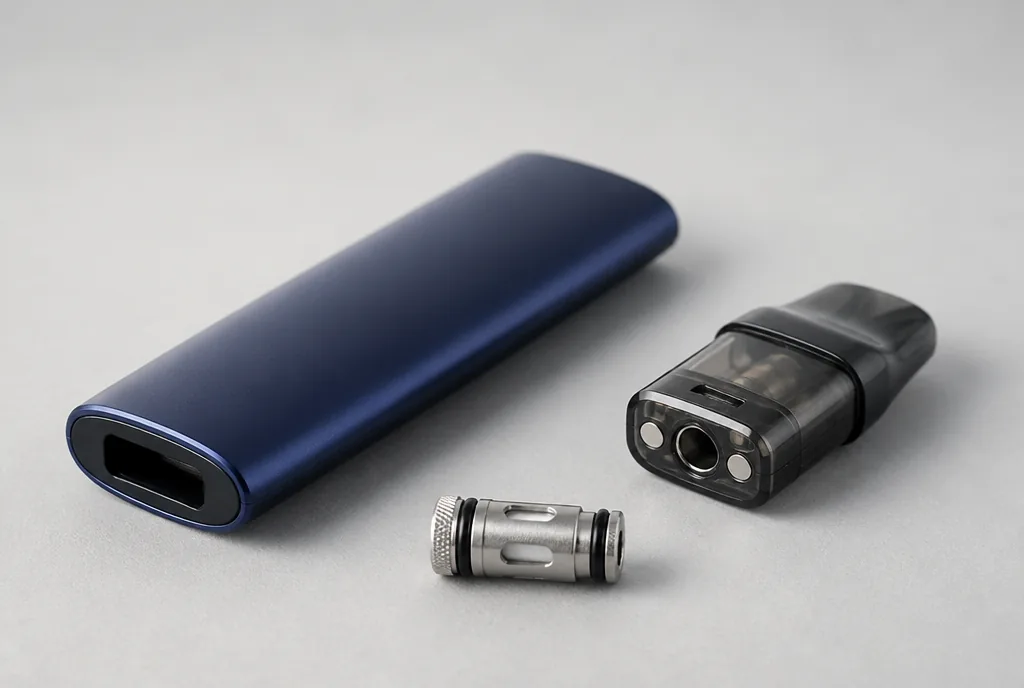
An adult vaper’s outlay splits into two blocks of very different nature. The hardware is bought once and recharged from the mains for as long as it survives. The consumable, whether a prefilled pod, a refillable pod or a coil, turns over at a rhythm set by the user rather than by the model.
It is the second block that carries the weight. A difference on the entry price is absorbed within a few weeks, whereas a difference in how long a pod lasts repeats fifty times across a year.
The reasoning for a first purchase should therefore start at the consumable and work back to the device, not the other way round. That is the opposite of how most product pages are written, which is exactly why the mistake is so common.
There is a second reason to reason this way in Britain specifically. The consumable here is capped by regulation rather than by design, so the turnover rhythm is largely fixed before any manufacturer gets involved.
What the UK format rules do to a vape starter kit
Three figures set the frame for every legal product sold in Britain, and all three come from the Tobacco and Related Products Regulations 2016, administered by the MHRA.
Tanks and pods are restricted to a capacity of no more than 2 ml. A single refill container of nicotine containing e-liquid is restricted to 10 ml. Nicotine strength is capped at 20 mg per ml.
The practical consequence for a vape starter kit is that no device sold here can stretch its refill interval by carrying more liquid. A heavier user refills more often, full stop, and that is a property of the market rather than of the hardware.
The same regulations require every product to be notified to the MHRA and published before it can be sold. A device or liquid that does not appear on that route is outside the framework, whatever the listing claims.
Age of sale is separate and older. The Nicotine Inhaling Products (Age of Sale and Proxy Purchasing) Regulations 2015 make it an offence to sell nicotine vaping products to anyone under 18, and to buy them on their behalf.
The three consumable models on a British shelf
Once the format rules are fixed, what actually distinguishes one kit from another over a year is which part you keep buying. There are three answers, and each has a different rhythm.
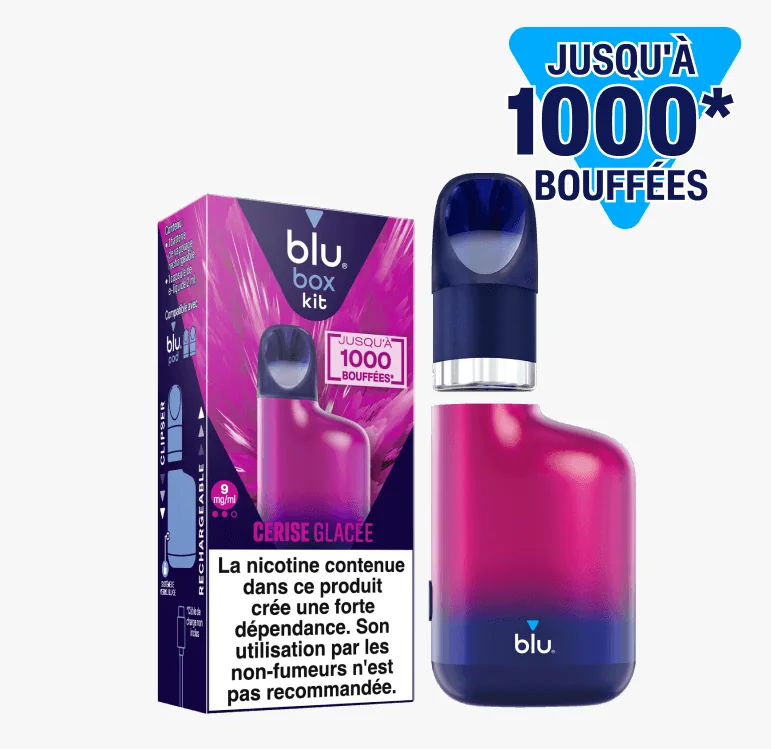
The first is the sealed prefilled pod. You buy a pack, clip one in, discard it when it fades. Nothing to handle, no bottle to carry, and the flavour range is whatever the brand behind the body decided to publish.
The second is the refillable pod with a bonded coil. You buy bottles and fill the pod yourself, replacing the pod when flavour degrades. The pod lasts several refills, so the turnover unit is smaller than a sealed cartridge.
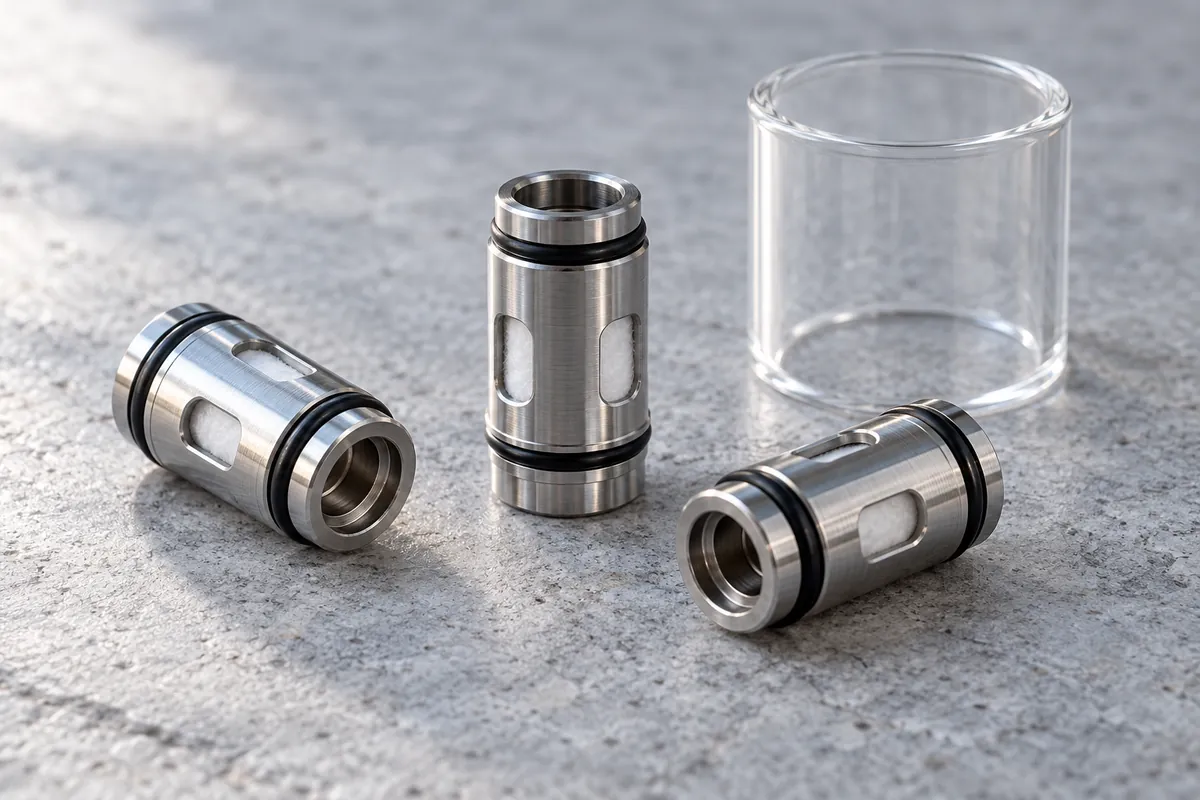
The third is the replaceable coil, whether it drops into a pod or threads into a tank. Here the part that turns over is a small metal and cotton insert, the smallest of the three, while the pod or tank becomes a durable component.
Those three models are the ones behind almost every device sold as an alternative to the old single use format, and we compare their handling in detail in our review of the formats that replaced disposables.
What actually moves the twelve month figure
Four variables do most of the work, and only one of them appears on a spec sheet. Knowing which is which is the whole point of the exercise.
Coil resistance and airflow set how hard the device works and therefore how fast liquid disappears. A tight mouth to lung setup at low power consumes far less than an open draw, on the same body and the same pod.
Coil life is the second variable and the least advertised. It depends on the liquid, on how sweet it is, on whether the pod is ever fired dry, and on how heavily the device is used. A user who never runs a pod down to nothing gets considerably more out of it.
The third is the number of devices in rotation. Buying a second body sounds like an indulgence and often is, but a single device with a small cell that is charged from empty every day will age faster than one that is topped up.
The fourth is availability. A consumable that is discontinued or stocked by one retailer only turns a cheap running cost into a hunt. Under Defra guidance, retailers must be able to demonstrate that refills and coils for the products they stock are separately available, which makes a shop’s own spares shelf a fair proxy for how supported a device is.
What the incoming duty adds to the calculation
The running cost of a vape starter kit does not depend only on manufacturers. The fiscal frame is about to move, and anyone reasoning over twelve months from now is reasoning across that change.
HMRC has confirmed that Vaping Products Duty, a new excise duty on vaping products, takes effect on 1 October 2026, with registrations for businesses opening on 1 April 2026. It is charged at a flat rate per 10 millilitres of vaping liquid regardless of how much nicotine the product contains.
Two details matter for a buyer. The duty applies to liquid produced in or imported into the United Kingdom, and HMRC states it covers any liquid intended to be vaporised by a vape that is not a medical or tobacco product, so nicotine free liquid is inside the scope.
A second stage follows. Government guidance states that from 1 April 2027 all vaping products outside duty suspension in the United Kingdom must carry a vaping duty stamp, regardless of when they were produced. We set out that timetable and its mechanics in our piece on the new duty on vaping products.
Because the charge is assessed on volume rather than on retail value, it lands proportionally harder on the models that get through the most liquid. That reinforces the point the whole exercise has been making: the consumable, not the body, is what a twelve month reading is about.
Frequently asked questions
What capacity can a UK pod hold?
No more than 2 ml. The Tobacco and Related Products Regulations 2016 restrict tank and pod capacity, so no legal device sold in Britain can extend its refill interval by carrying more liquid.
Is a refillable kit cheaper to run than a prefilled one?
The turnover unit is smaller, since you replace a pod or coil rather than a sealed cartridge, and you buy liquid separately in bottles. Whether that adds up in your favour depends entirely on how heavily you vape.
How can I tell whether a device will still be supported?
Check the spares before the body. Retailers are expected to be able to show that refills and coils for the products they stock can be bought separately, so a visible spares shelf is a useful signal.
Will the new duty apply to nicotine free liquid?
Yes. HMRC states the duty applies to any liquid intended to be vaporised by a vape that is not a medical or tobacco product, charged at a flat rate per 10 millilitres regardless of nicotine content.
What is the legal age to buy a vape in the UK?
Eighteen. Under the Nicotine Inhaling Products (Age of Sale and Proxy Purchasing) Regulations 2015 it is an offence to sell nicotine vaping products to anyone under 18, or to buy them on their behalf.
How to reframe the vape starter kit question
At the end of this exercise the choice of a vape starter kit reformulates into something much simpler than a comparison of spec sheets. You are not picking the most impressive body, you are picking the consumable you will live with for a year and the shop that will still stock it in month ten.
Three checks are enough. Establish which part turns over, whether that is a sealed pod, a refillable pod or a coil. Establish that it is available separately and widely. Then, and only then, look at the body and ask whether its cell suits how often you are willing to plug in.
Read that way, even a device as pared back as the Klypse pod kit is judged on the same three points as an elaborate one. For the Observatoire, that is the honest reading of a vape starter kit on a British shelf: the box is bought once, the pod is bought all year, and the duty arriving in October 2026 will make that ratio harder to ignore.
Editorial content for adult readers only. Vaping products usually contain nicotine, a substance that causes addiction. Not for sale to under-18s in the United Kingdom. This article is not a buying recommendation.